


Four myths about Vikings
How popular beliefs are often not historical reality
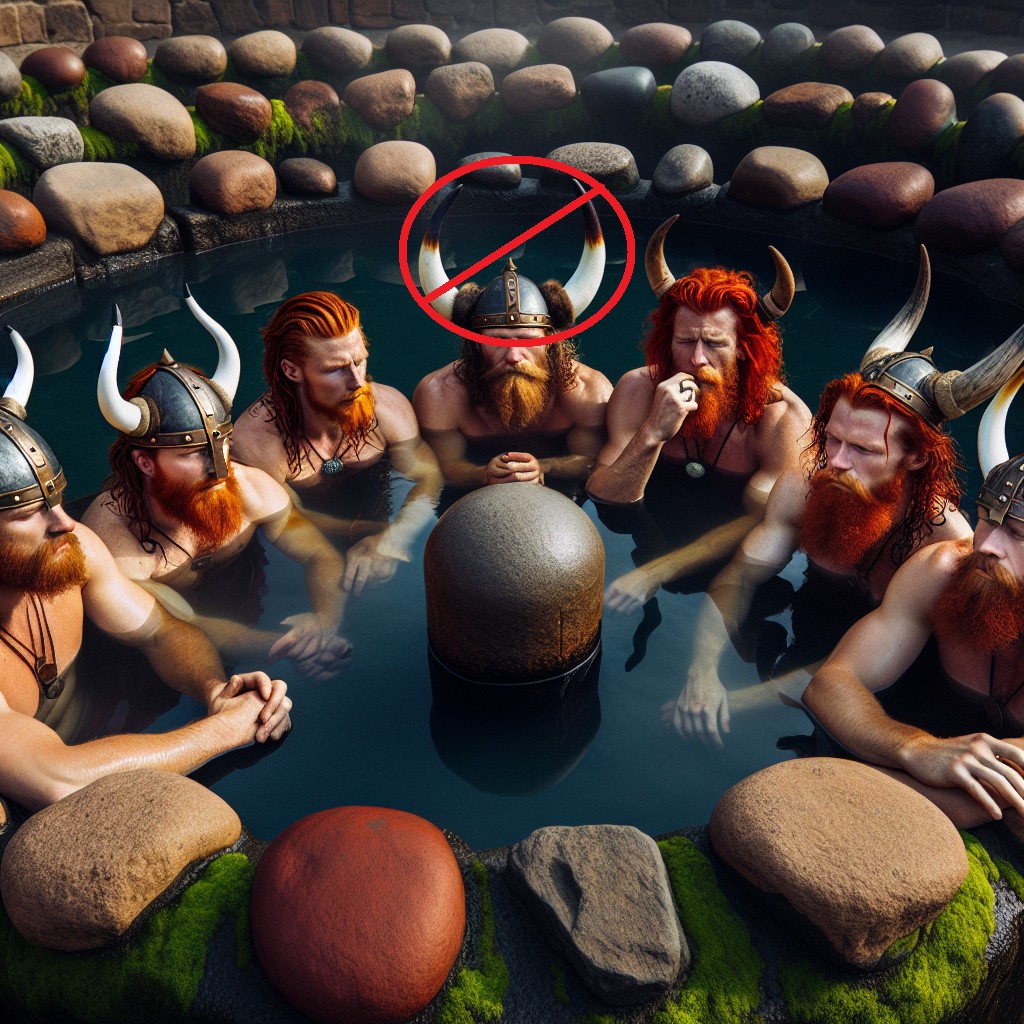
Allegorical image showing some of the Norse myths - AI generated image
History is full of beliefs that have become so ingrained in our understanding that we take them as historical facts. However, historical reality can be quite different. A prime example is the many misconceptions people have (or had until today) about the Vikings:
1) Hygiene: Contrary to popular belief, the Vikings were highly attentive to personal care. They had the Laurdag ("day of cleaning" in Old Norse), usually on Saturdays, during which they bathed in ponds or wooden and stone tubs. They also made soap, which they used to wash their hair, often lightening it to blonde or red shades due to the soap's acidity (beer was also sometimes used for this purpose). This challenges the myth that all Vikings were naturally blonde or red-haired with blue eyes — many had dark hair and features. They also took great care of their beards and hair, using specially crafted combs, as evidenced by archaeological findings. In fact, the Saxons even described the Vikings as "too clean."
2) Raids: Vikings were not just ruthless raiders of monasteries and destroyers of cities, as often depicted. Their exceptional navigation skills also made them great traders and city founders—Dublin, for example, owes its origins to them. They established thriving markets along the northern European coasts, such as the famous Birka market in Sweden. Their trade covered a wide range of goods, including slaves.
3) Height: The stereotype of the towering Nordic warrior over 2 meters (6'7") tall is inaccurate. The average Viking height was around 1.70 meters (5'7"), slightly taller than the European average at the time but not exceptionally so. While there were exceptions, such as Thorkell "the Tall" and Rollo (both over 2 meters), most Norsemen had a height considered normal by today's standards.
4) Helmets: The widely recognized horned Viking helmets seen in movies and artwork were never actually worn by Vikings. While visually striking, such helmets would have been impractical in battle, hindering balance, mobility, and the effectiveness of the shield wall formation. Additionally, no archaeological evidence has been found to support the idea that they were even used for ceremonial purposes.
Régis Boyer ,La vita quotidiana dei Vichinghi (800-1050), Rizzoli, 2017
2025-10-25
Salvatore Ciccarello