


Our Indies
The Church in the face of poverty and ignorance of the Italian people
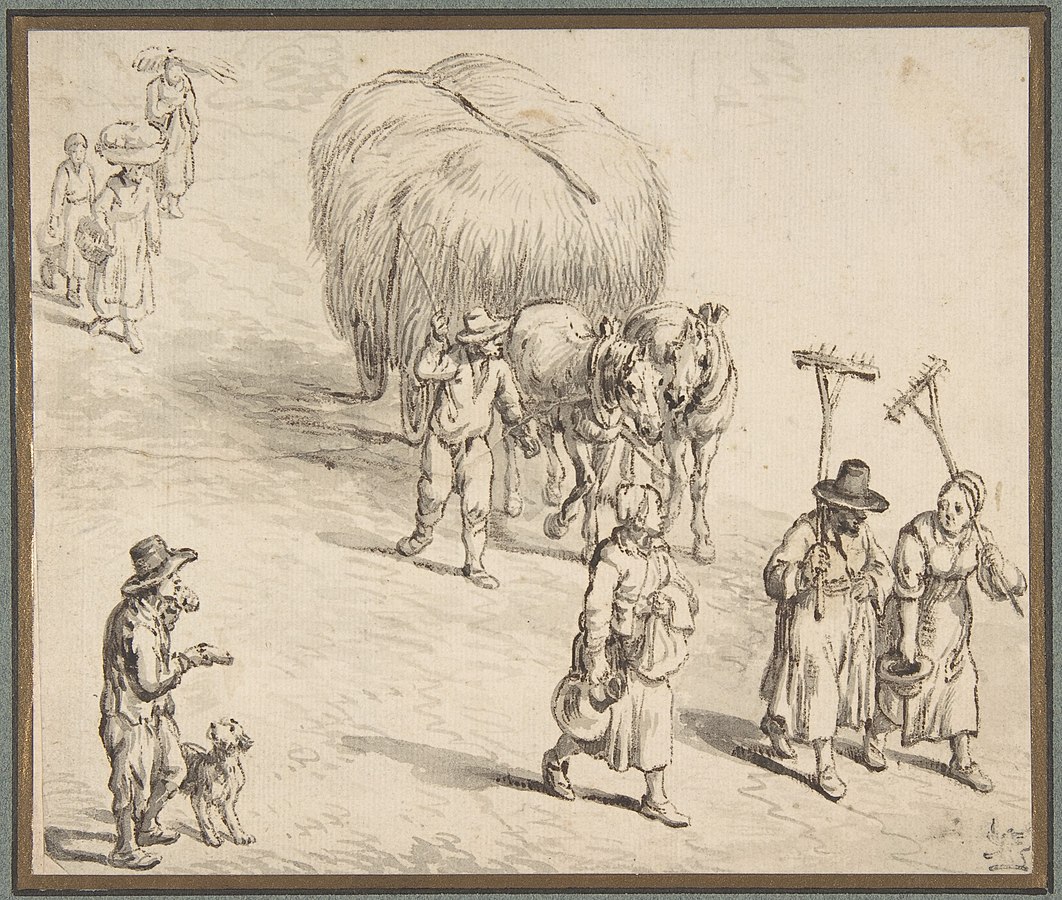
"Peasants and a Hay Wagon on a Country Road", drawing by the Flemish painter Jan Brueghel the Elder (1568-1625). Image from Commons.wikimedia.org
During the 16th century, the Church became aware of the moral and material degradation affecting much of the Italian population, particularly in the islands, countryside, and mountainous regions. Missionaries attempted to re-evangelize these areas, which they dubbed "our Indies." Besides poverty, a significant problem in these regions was the inadequacy and absenteeism of local clergy. On the island of Capraia, the only priest was an extremely ignorant soldier, who was also married with children. In Corsica, the clergy lived in a manner almost indistinguishable from that of the laity, and the bishop was perpetually absent. Religious ignorance was widespread: in rural areas of Lazio and southern Italy, many people didn’t know how to make the sign of the cross, believed the Trinity was composed of Jesus, Joseph, and Mary, and thought there were hundreds of gods. According to the bishop of Ampurias in Sardinia, it was easier to educate the indigenous people of Peru in the faith than Sardinian peasants because, in the latter case, one had not only to teach but also to uproot deeply ingrained erroneous beliefs.
However, the common people were eager to learn: in the Marche region, for example, fathers would tend to the flocks in place of their children so the latter could listen to the Jesuits' sermons. Certain customs of the people, akin to the "savages" of America, shocked the missionaries: for instance, some mountaineers drank chamois blood to purify themselves. Poverty often led to moral corruption: the constant movement required for sustenance led fishermen and herdsmen in Sabinia to frequent taverns and brothels, risking alcoholism, venereal diseases, and the subsequent ruin of families. To combat these situations, many Jesuits urged political authorities to intervene. Nicolas Bobadilla, recognizing the poverty of many Calabrians, tried to persuade the Spanish Viceroy of Naples to grant subsidies to the population. Meanwhile, Silvestro Landini suggested that the Genoese government demolish the isolated huts in which the Corsican population lived and regroup them into new urban centers, believing that cities were the foundation of civilized and rational living.
Book: Adriano Prospei, Tribunali della coscienza: Inquisitori, confessori, missionari , Piccola Bibblioteca Einaudi, 2009
Book: Claudio Ferlan, i Gesuiti , Il Mulino, 2015
2025-10-20
Salvatore Ciccarello