


Common Sense
Thomas Paine and the American Independence
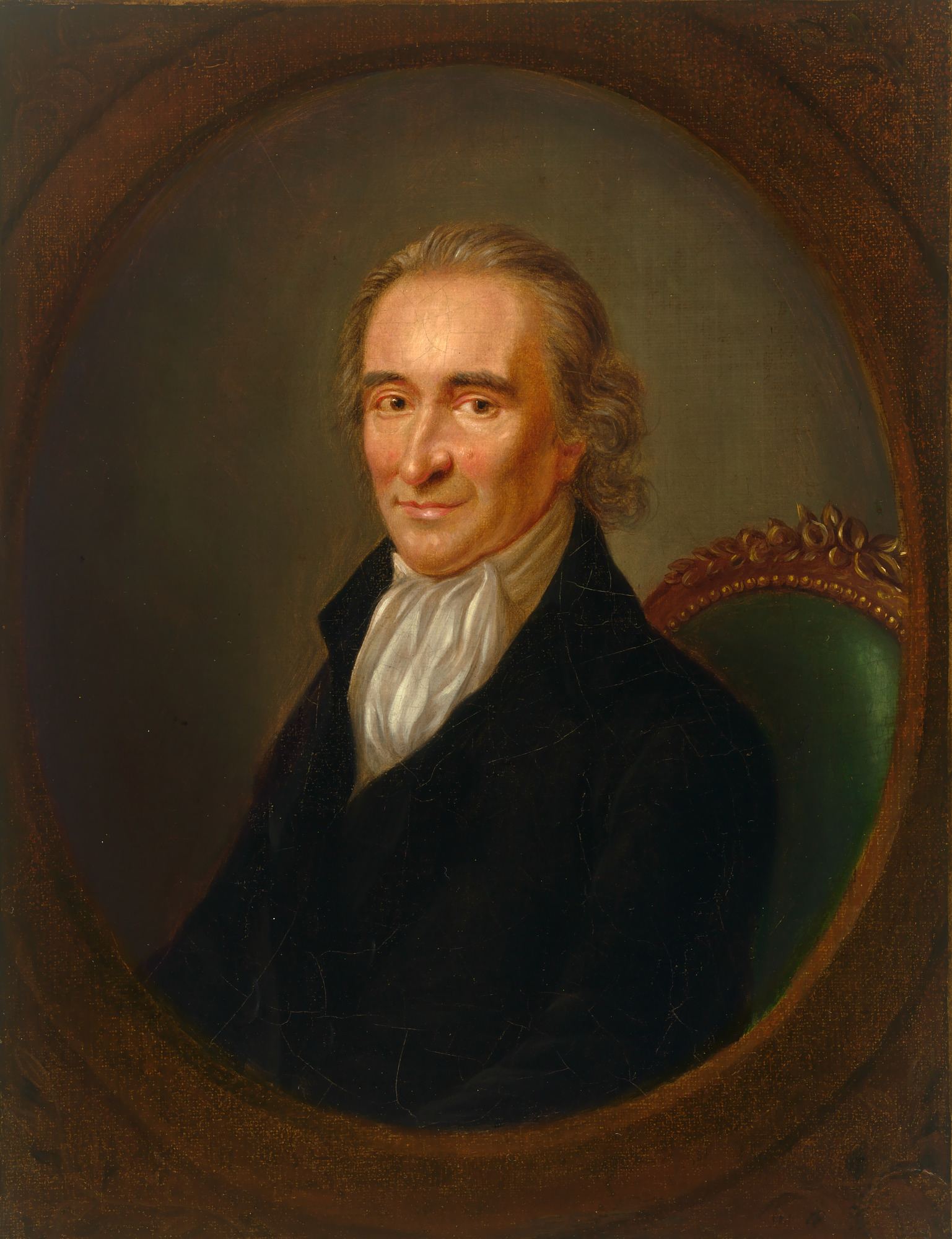
Thomas Paine - WikiCommons.
In 1776, the year of the outbreak of the American War of Independence - in which the colonies rebelled against the mother country Britain - a book was published, which would have had a decisive influence on the formation of the United States of America. The book was called Common Sense and was published on 10 January 1776 in the city of Philadelphia by a certain Thomas Paine, an English rope-maker who had moved to America on the advice of Benjamin Franklin. The title Common Sense refers to the fact that Thomas Paine's propositions in his book needed no special argumentation, because in his view they were such self-evident truths as to be "common sense" - hence the title of the book. This book, which put forward instances of radical republicanism, was a violent attack against the "Royal brute": by this expression Paine was referring to the British King George III, who was a fierce opponent of the American colonists' demands for independence. The proposal of this book, besides the dependence of the colonies, was the establishment of a free government. Sovereignty, to use an image of Paine's, symbolised by a crown, would be broken up and the pieces distributed among the people - a further demonstration of Paine's republicanism. Indeed, in the new republic, the source of legitimisation of political power would no longer be the divine right conferred on a monarch, but popular sovereignty. This concept, which we take for granted today, was not at all so at the time; Paine's idea of making the newborn State subject to popular control, which he saw as fundamental to the prosperity and development of the fledgling American nation, was also extraordinary. This is because, as Tiziano Bonazzi has pointed out, if "society is born from the interaction of all human beings, what follows is their equality and with it a political obligation that no longer depends on the relations between the classes of the kingdom and common submission to a sovereign, but on the will of the citizens, that is, on popular sovereignty".
Thomas Paine, Common Sense, Philadelphia, 1776. (Consulted April 2025)
Tiziano Bonazzi, La rivoluzione americana, Bologna, il Mulino, 2018, pp. 70-72.
2025-10-26
Giacomo Tacconi